The Research Foundation for Heliophysics and Space Weather
The Research Foundation for Heliophysics and Space Weather
Humanity’s first line of knowledge against space weather threats…
Humanity’s first line of knowledge against space weather threats…

Our Mission
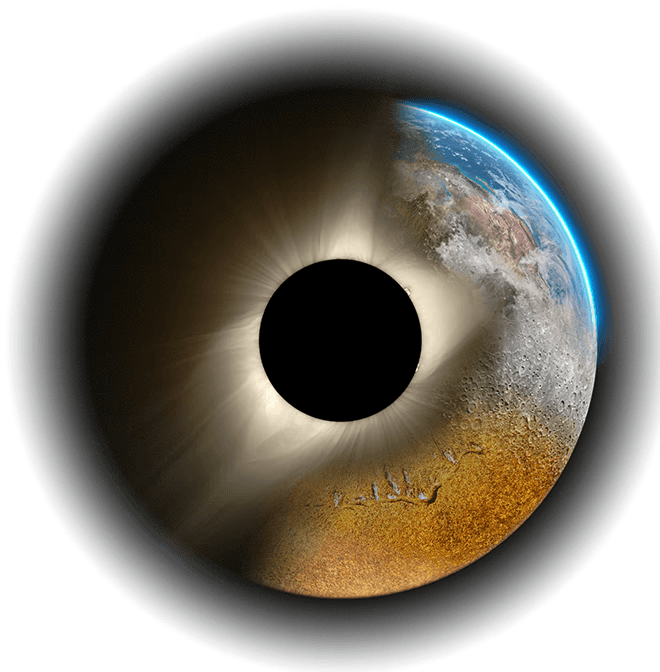
The HelioArc Foundation is a 501(c)(3) nonprofit organization dedicated to the advancement of research into Space Weather and the Sun’s impacts throughout the Solar System, for the benefit of society.
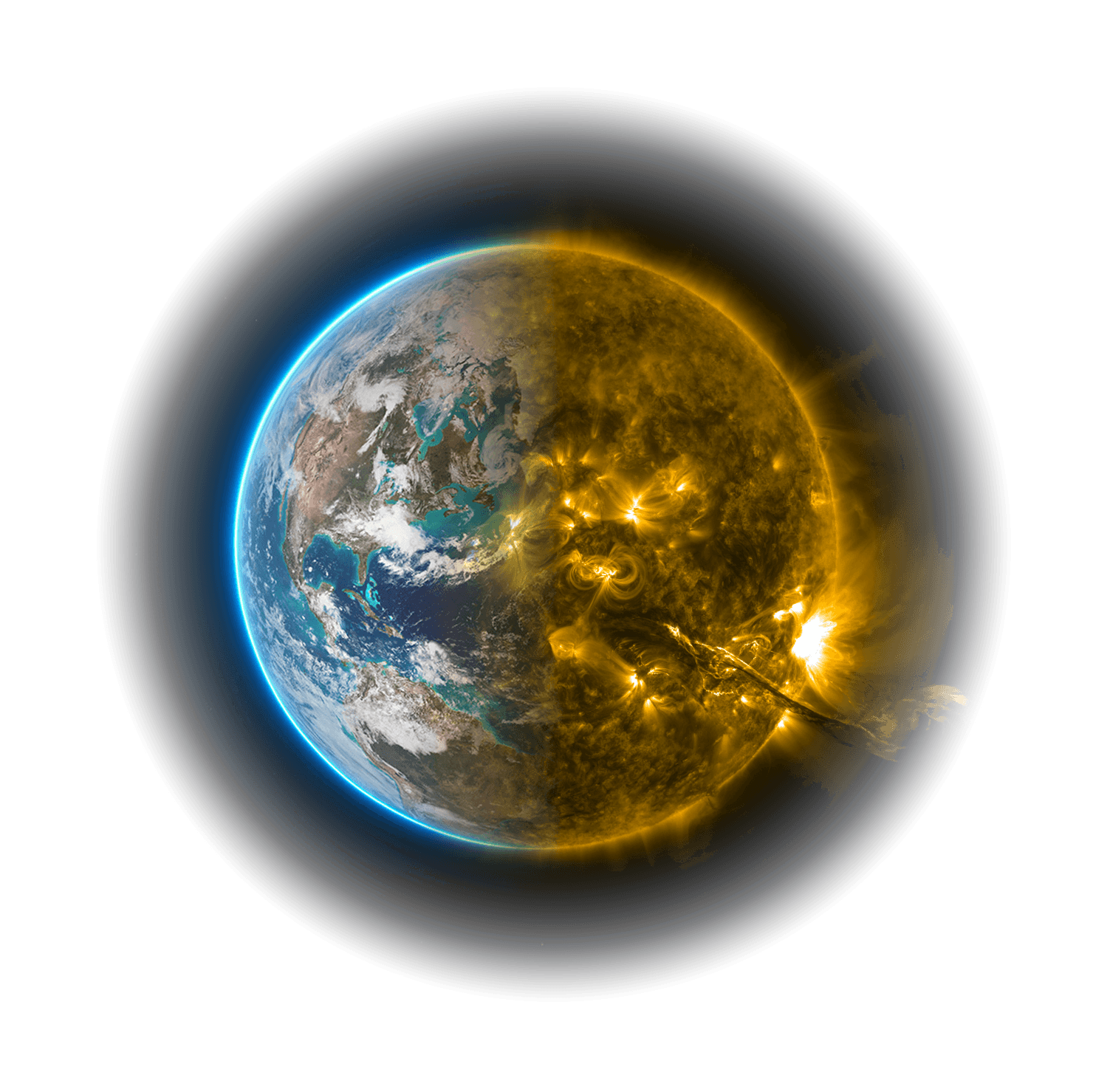
In our pursuit of knowledge, we raise Awareness of the Sun’s influence on our world, strengthen Resilience against space hazards, and empower Communities to thrive within our cosmic environment.
Our Vision
We believe in a future where humanity ventures beyond Earth with confidence, empowered by a deep understanding of the Sun's influence on our entire solar system. In this vision, Heliophysics and space weather research unite the space industry and academia to protect life on Earth, sustain humanity’s voyages into deep space, and bring our astronauts safely home.
The Sun is our nearest star, powered by thermonuclear reactions at its core. It is also magnetically active, and often erupts violently. Heliophysics studies its impact on Earth, the solar system, and humanity. It helps us understand solar energetic events like solar flares, coronal mass ejections, and other eruptive events.
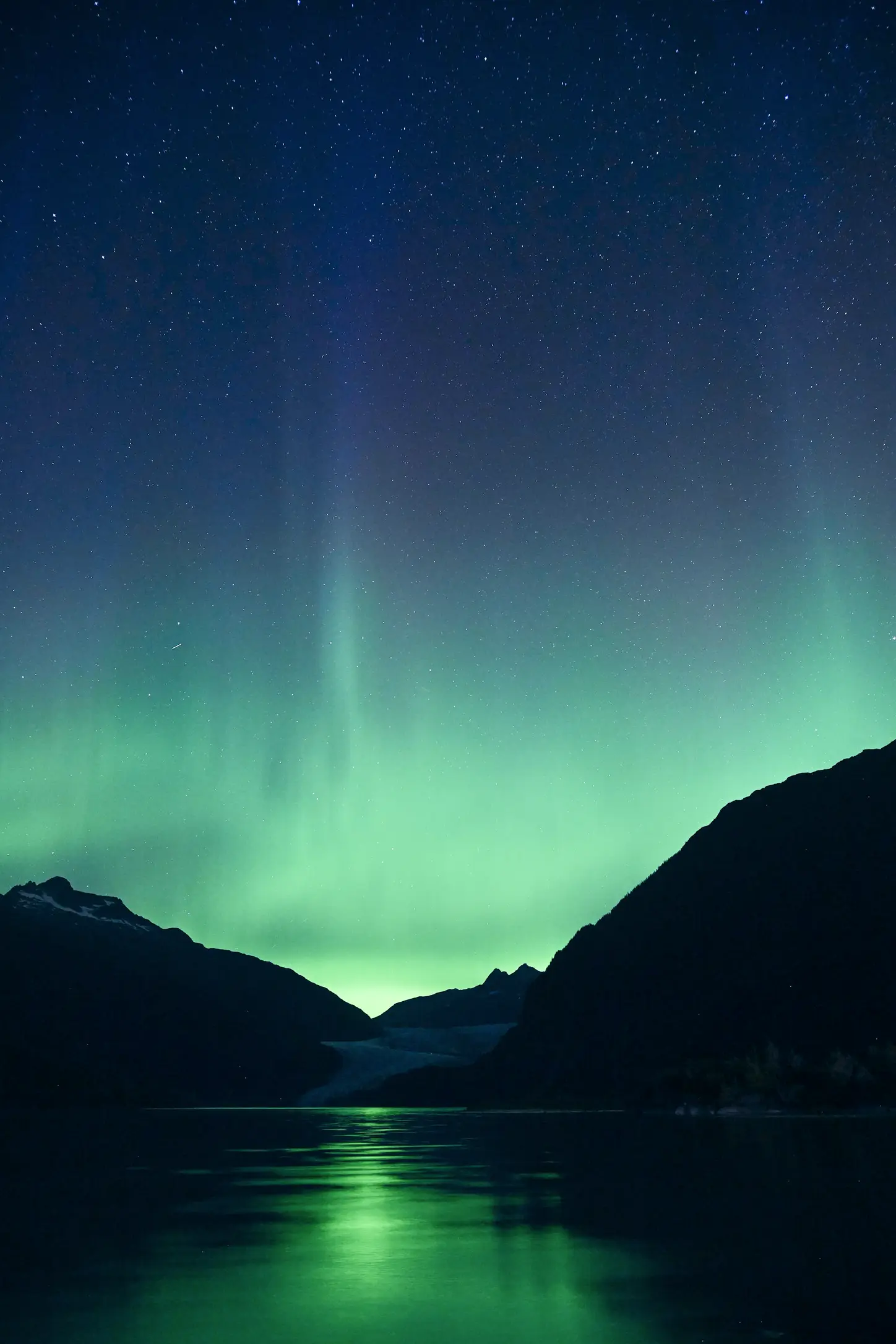
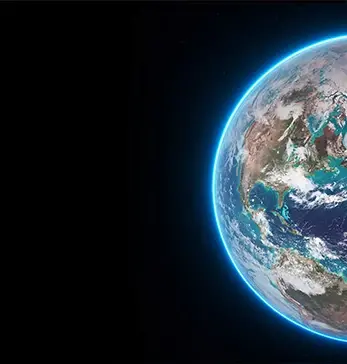
These dynamic conditions that impact Earth and geospace are known as “space weather”. While it is the cause of beautiful auroras, it can also knock out satellites, GPS, radio communications, power grids, and even endanger astronauts.
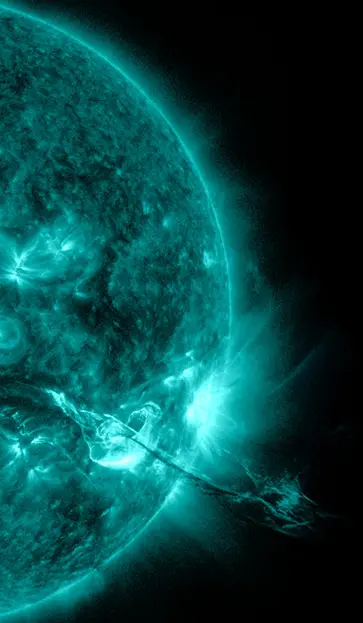
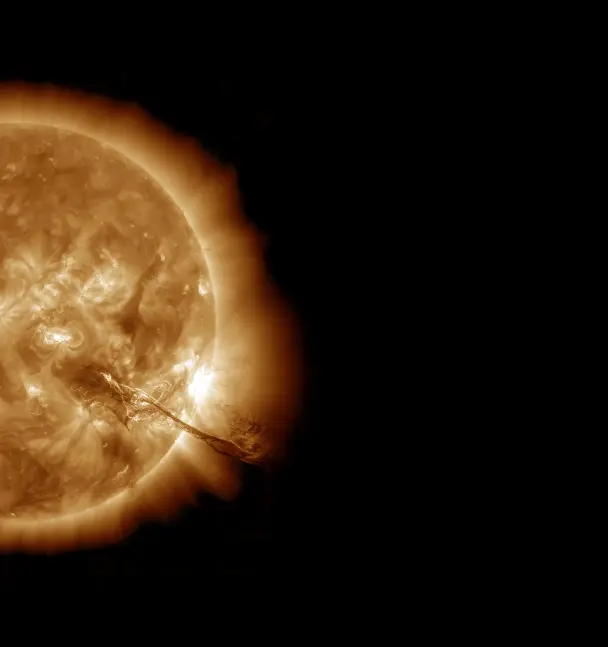
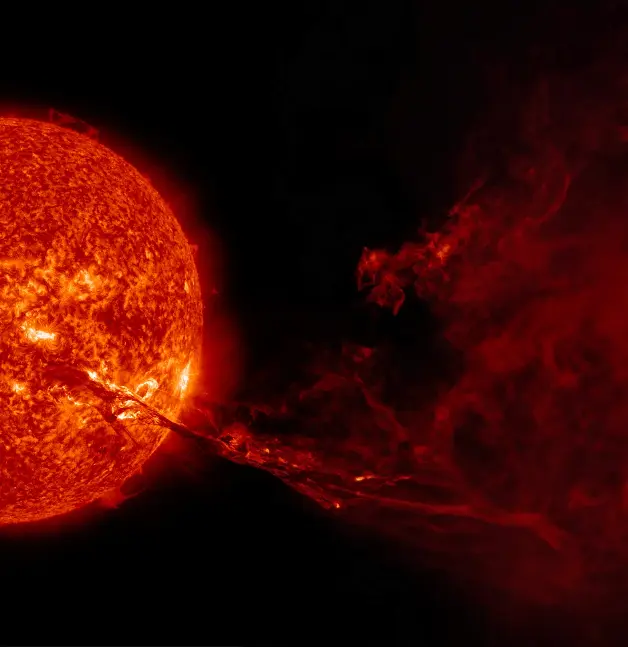
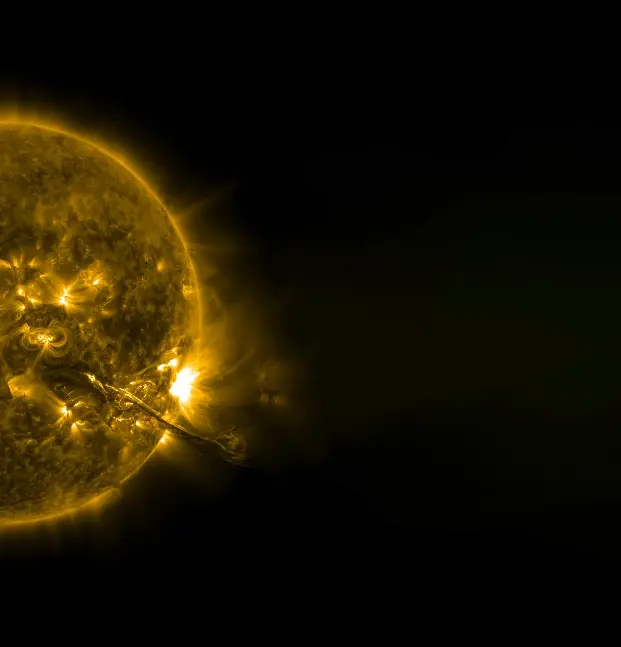
The Sun is our nearest star, powered by thermonuclear reactions at its core. It is also magnetically active, and often erupts violently.
Heliophysics studies its impact on Earth, the solar system and humanity. It helps us understand solar flares, coronal mass ejections, and other eruptive events.
These dynamic conditions driven by solar activity that impact Earth and geospace are known as “space weather”. While it is the cause of beautiful auroras, it can also knock out satellites, GPS, radio communications, power grids, and even endanger astronauts and U.S. armed forces.
New to Heliophysics and Space Weather?
Start with the Sun
A plain-language guide to our star, from its core to space weather.
What is the Sun? Basics 101
A new funding model for Heliophysics
Supporting the explorers of our heliosphere
At HelioArc, we believe that Heliophysics thrives when it is driven by human curiosity, real-world relevance, and a commitment to lasting societal benefit. To fully realize its potential, this field needs visionary partners. Our mission to safeguard and advance humanity’s understanding of the Sun calls for long-term independent support that amplifies the impact of publicly funded science and helps ensure its continuity in times of uncertainty.
At HelioArc, we believe that Heliophysics thrives when it is driven by human curiosity, real-world relevance, and a commitment to lasting societal benefit. To fully realize its potential, this field needs visionary partners. Our mission to safeguard and advance humanity’s understanding of the Sun calls for long-term independent support that amplifies the impact of publicly funded science and helps ensure its continuity in times of uncertainty.
Resilience
Communities
Awareness
Our Arc of Impact
A
wareness
We inform the public on the Sun-Earth interactions that impact our infrastructure and deep-space exploration.
R
esilience
We preserve and advance long-range research that leverage private and public investment.
C
ommunities
We empower space-reliant communities to mitigate space weather risks.

Who we are
The people behind the mission
The HelioArc Foundation is governed by a volunteer Board of Directors whose collective experience spans decades at the forefront of solar and space physics. Our directors are active leaders at premier scientific institutions and contribute to missions and programs that support NASA, NOAA, and international research efforts. Each board member is a recognized authority whose work continues to shape our understanding of the Sun and its impact on geospace and space weather.
Our strength lies in a rare convergence of expertise in Heliophysics and Artificial Intelligence, institutional leadership, and deep personal commitment. The Sun is our driving force, keeping our mission tightly aligned with the needs of the communities we serve.

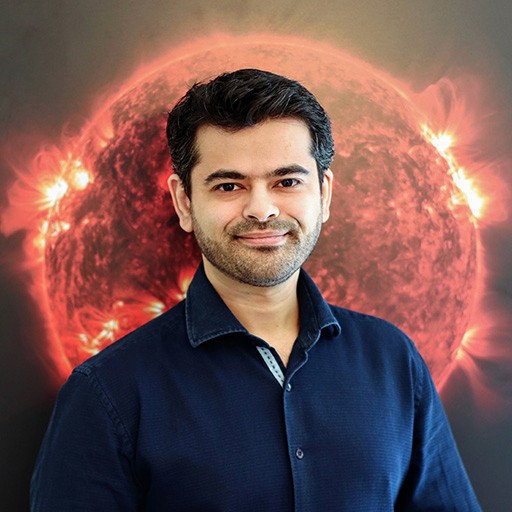
Raphael Attié, PhD
Heliophysicist, AI/ML
Raphael is a heliophysicist with over 15 years of experience studying how the Sun drives space weather. He works at NASA Goddard Space Flight Center as a research contractor through George Mason University. He is co-investigator on NASA’s PUNCH mission and the science lead of the PUNCH solar wind tracking working group. Raphael leverages NASA solar imagery with optical flows, in-situ measurements, and AI analytics to track and map the solar wind to improve space weather research and operations pipelines (aka R2O). He holds a PhD from Germany where he studied at the Max Planck Institute for Solar System Research, and holds an MSc from France. Raphael has received multiple NASA awards, and is also an award-winning astrophotographer.

Chadi Salem, PhD
Space Physicist
Chadi is a space physicist at the Space Sciences Laboratory (SSL) of the University of California, Berkeley, where he studies plasma physics in the solar wind and the solar corona. Over about 30 years, he has contributed to the science of more than ten NASA and ESA missions, including Wind, Ulysses, Helios, Cluster, STEREO, THEMIS/ARTEMIS, MMS, Parker Solar Probe and Solar Orbiter. He earned his PhD in Astrophysics and Space Techniques from Université Paris-Sorbonne in 2000, carrying out his research at the Paris Observatory in Meudon. At SSL, he served as Acting Associate Director of the Solar and Heliospheric Physics Group from 2021 to 2023. He has also served on NASA’s Living With a Star Steering Committee, the SHINE Steering Committee and NASA’s Heliophysics Advisory Committee. His research has been cited more than 6,000 times.

Cynthia López-Portela, PhD
Space Physicist
Cynthia is a space physicist who worked as a postdoctoral researcher at NASA Goddard Space Flight Center. Before joining NASA in 2024, she spent eight years as Head of the Physics Department at La Escuela de Lancaster in Mexico City, where she mentored teachers and brought new technologies into the classroom. She also taught solar physics and radio astronomy at the Universidad Nacional Autónoma de México (UNAM). Cynthia is also division chair of the International Association of Geomagnetism and Aeronomy (IAGA).
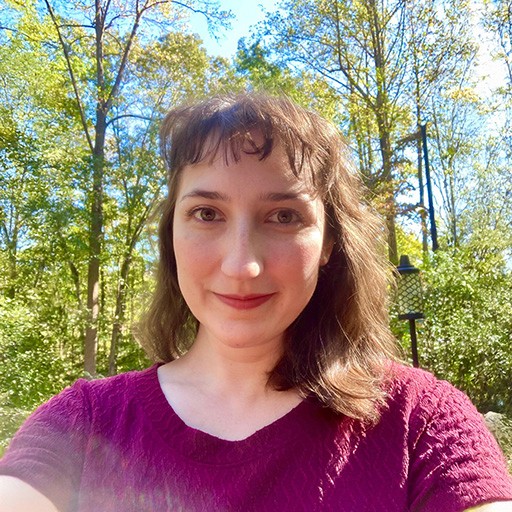
Emily Mason, PhD
Solar Physicist
Emily is a solar physicist at Predictive Science Inc. and holds a PhD in Physics. Her research focuses on observational and theoretical analysis of complex magnetic structures in the solar atmosphere, and she has led research teams and won multiple federal grants. She also brings 20 years of experience in public education and outreach, from sidewalk astronomy events to NASA podcasts.
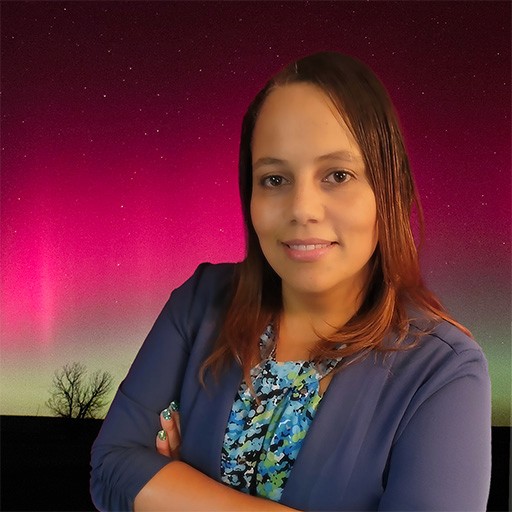
Nicole Walker
AI automation
Nicole leads HelioArc’s public outreach in astronomy and solar astronomy, bringing the science of the cosmos and the Sun to underserved communities through hands-on educational experiences. With a collection of 10 portable digital smart telescopes and specialized solar observing equipment, she makes astronomy accessible, engaging, and interactive for audiences of all ages. As Treasurer, Nicole supports the Foundation’s financial stewardship, drawing on her professional background in information technology leadership, governance, risk management, compliance, and business intelligence. She is also an AI and governance consultant at Bees Computing, where she helps organizations navigate technology, cybersecurity, artificial intelligence, and data-driven decision-making. Nicole holds degrees in business, information technology, and information assurance and security. She is committed to making scientific exploration and education more accessible, helping people of all backgrounds engage with astronomy through direct observation, hands-on learning, and shared discovery.
Call to Action
We solicit donations that will:
|
|
|
|
Contact
We'd love to hear from you
Whether you're a scientist, a sponsor, or simply passionate about space, feel free to reach out. We’re always open to meaningful conversations.
Whether you're a scientist, a sponsor, or simply passionate about space, feel free to reach out. We’re always open to meaningful conversations.